Shady Deals: A Quest Through Dark Web Marketplaces
Within the hidden corners of the internet, a world flourishes which is mostly hidden to the average user. This environment, commonly known as the dark web, is a complex network of marketplaces existing beyond the regulations of conventional e-commerce. Here, secrecy is key, and users can exchange a wide range of goods and services, covering innocuous items to the exceptionally dark.
As we set forth on this odyssey into the dark web trading spaces, it is crucial to understand the allure these platforms possess for various users. These venues offer an means of dodging the constant scrutiny of authorities and a taste of freedom that comes with a cloak of secrecy. Nonetheless, this liberty is fraught with peril, as the nature of the transactions tends to obscure ethical boundaries and pose significant risks. We shall investigate the complications of this shadowy world and reveal what is hidden under its exterior.
Grasping the Underbelly Web
The dark web is a section of the web that is not cataloged by traditional search engines. This secret part of the web can only be accessed using specific software, most commonly the Tor browser, which anonymizes user activity and locations. While many people link the dark web with criminal activities, it also offers a platform for privacy-oriented communication and the sharing of information that might be suppressed or restricted in certain regions.
Within the dark web, multiple marketplaces have emerged that facilitate the trade of goods and services, often operating outside the confines of law. These platforms often offer a range of products, from fake items and drugs to hacking services and sensitive data. Users navigate these marketplaces using digital currencies for transactions, which further increases the anonymity of both buyers and sellers, which attracts a specific subset of clientele looking for these questionable deals.
Despite its notorious reputation, the dark web serves greater than just criminal interests. It is also a sanctuary for whistleblowers, journalists, and activists who require a level of security to safeguard their anonymity. Organizations and individuals use the dark web to share sensitive information freely, avoiding censorship and advocating for freedom of speech in oppressive regimes. Comprehending the multifaceted nature of the dark web is key to understand its impact on society today.
Navigating Darknet Platforms
Accessing dark net markets demands specific understanding and software, as these platforms are designed to exist beyond the reach of the reach of traditional web services. Individuals typically commence by setting up specific applications like the Tor browser, which conceals the user's location and activity. This program enables individuals to visit onion sites that provide multiple illegal items and services. Nonetheless, merely accessing these markets does not assure protection or achievement; participants must grasp how to maneuver them effectively.
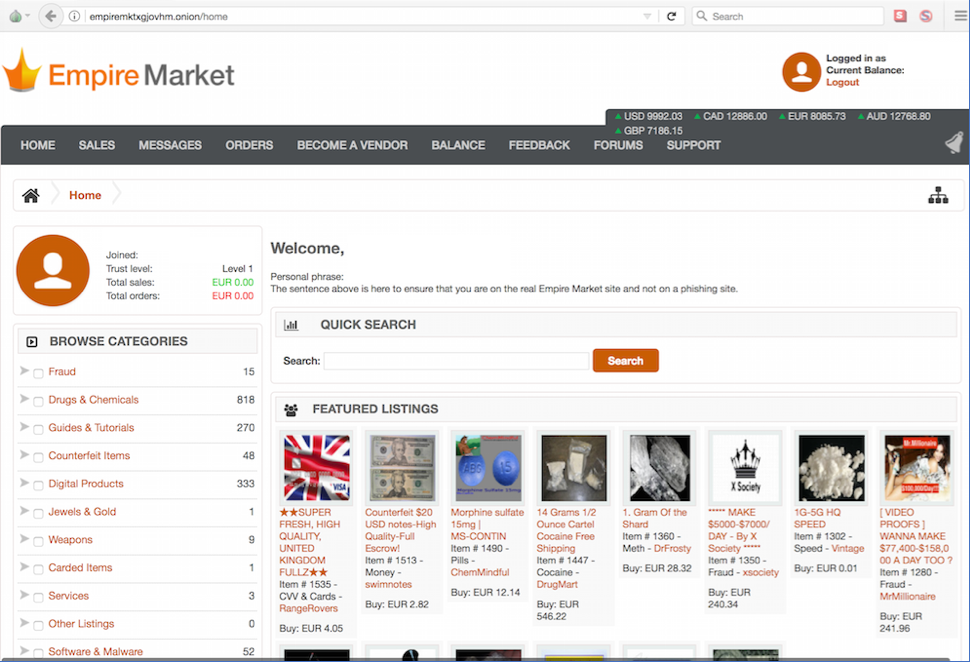
Once within a market, participants come across a plethora of listings, ranging from controlled substances and forged products to cyber services. Understanding dark market onion of these sites is essential for effective movement. Every item listed usually comes with user ratings and feedback, which assist in assessing the credibility of the provider. Additionally, numerous marketplaces employ a system of trust funds to protect both buyers and vendors, making sure that exchanges can be completed with a degree of safety. Familiarity with these systems can make a significant difference in a user’s experience.
Yet, the dangers associated with darknet marketplaces are ever-present. In addition to the legal risks, there are persistent threats of rip-offs, cyber attacks, and police operations. Participants must remain vigilant, employing secure methods and preserving confidentiality to safeguard themselves. The dynamic nature of these sites, with regular closures and the rise of novel markets, also requires flexibility. Understanding these factors is essential for anyone planning a journey into this shadowy online realm.
Dangers and Consequences
Participating with dark web marketplaces entails considerable risks that extend beyond legal implications. Users may become targets of scams where they pay for goods or services that do not exist, leading to financial loss and frustration. The secrecy provided by these platforms can create a false sense of security, prompting users to engage in hazardous transactions without thinking about the potential repercussions.
Additionally, the dark web is often a hub for cybercriminal activity, including data breaches and identity theft. When users engage with these marketplaces, they expose themselves to malicious actors who may steal personal information or embed malware on their devices. This threatens not only individual security but also the integrity of networks and systems that may be connected to those devices.
Finally, legal ramifications pose a serious consequence for anyone involved in dark web transactions. Law enforcement agencies around the globe are progressively monitoring these platforms, and participating in illegal activities can result in criminal charges and significant penalties. The potential for detention and prosecution serves as a stark reminder of the perilous landscape of the dark web, where the allure of anonymity can ultimately lead to dire outcomes.